Compositional Interpretability

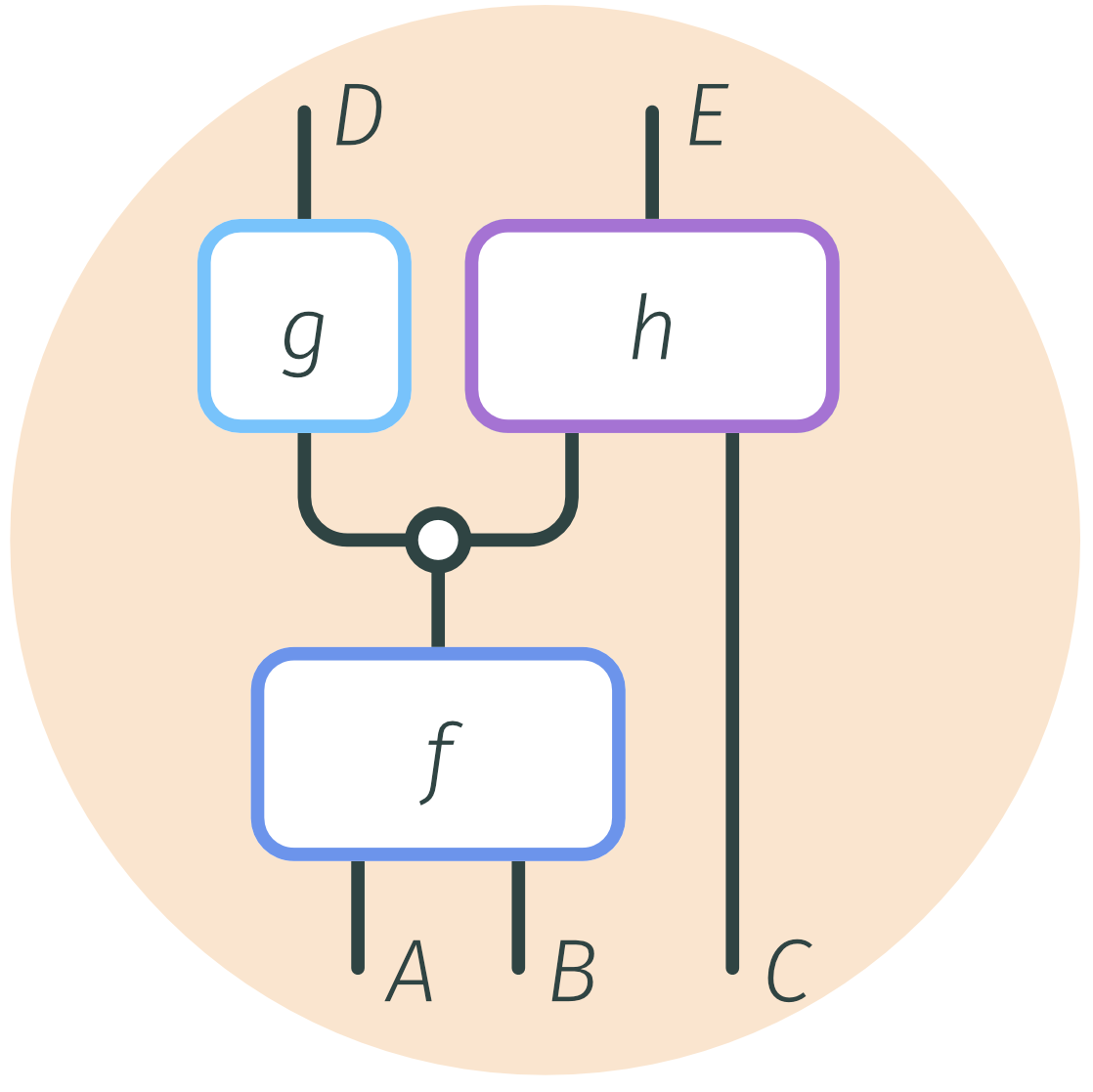
CompInterp uncovers the structure of neural representations, showing how simple features compose into complex behaviours. By unifying tensor and neural network paradigms, model weights and data are treated as a single modality. This compositional lens on design, analysis and control paves the way for inherently interpretable AI without compromising performance.
Compositional architectures capture rich non-linear (polynomial) relationships between representation spaces. Instead of masking them through linear approximations, CompInterp methods expose their inherent hierarchical structure accross levels of abstraction. This allows for weight-based subcircuit analysis, grounding interpretability in formal (de)compositions rather than post-hoc activation-based heuristics.
We’re now scaling compositional interpretability to transformers and CNNs by leveraging their low-rank structure through tensor decomposition and information theory. Learn more in our latest talk!
news
| Sep 07, 2026 | We organised a tutorial on the evolution of interpretability at the AIMLAI workshop (ECML PKDD’26)!  |
|---|---|
| Aug 21, 2026 | Our work on tensor similarity is at the Tractable Probabilistic Modeling workshop (UAI’26)!  |
| Aug 12, 2026 | We gave a talk on moving from mechanistic to compositional interpretability at the Interpretable Deep Learning seminar!  |
| Jul 11, 2026 | Our compositional interpretability poster is at the Compositional Learning Workshop (ICML’26)!  |
| Jun 29, 2026 | We presented compositional interpretability at the Theory of CS & Computational Creativity workshop (ICCC’26)!  |